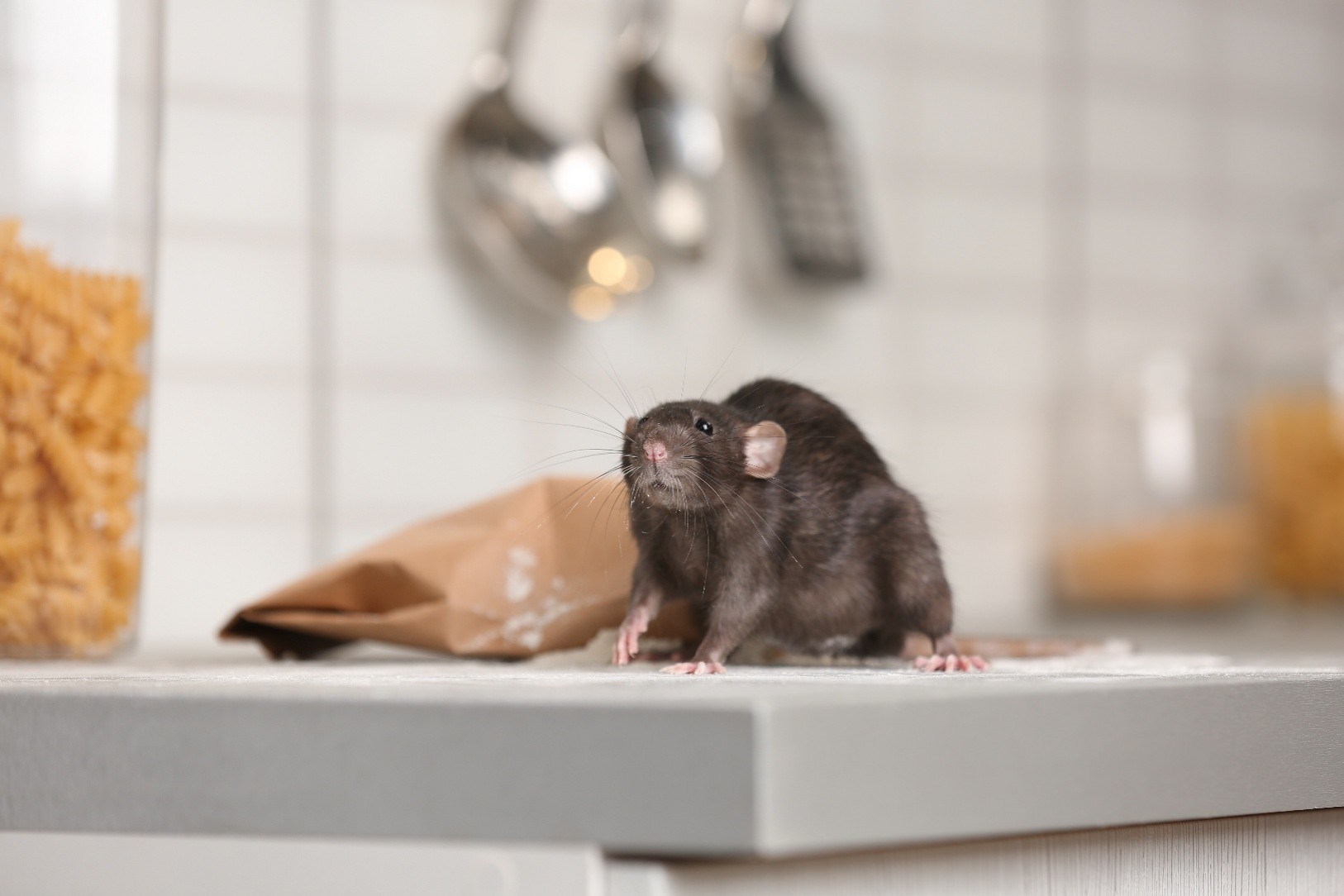
As the weather turns and the Christmas bookings start filling the diary, rats are making a seasonal move of their own: indoors, towards warmth and a steady food supply. For a kitchen heading into its busiest, most heavily stocked months, that is the worst possible timing.
In a commercial kitchen, one rodent can contaminate your food and surfaces, put you on the wrong side of the law, and, if an inspector sees the evidence, close your doors, possibly for good. The businesses that stay rat-free are the ones that understand what they're up against and take it seriously instead of waiting for the problem to come to them.
Here's what a rat problem actually costs a food business, and how to stop that from happening.
Rats don't wander into buildings at random. They send foragers out from a nearby nest, following smells, and a restaurant is about the strongest smell going. Between the food being prepped, the waste going out, and the heat pouring off the equipment, a commercial kitchen reads as an all-you-can-eat buffet with lodgings attached.
In Bristol and Bath especially, older premises and ageing sewer networks already carry high rat activity, so a kitchen with steady food waste is often just the next stop on a route the rats already run.
Their food sources in a hospitality business go well beyond what's on the menu. Any of these will draw them in:
· Bin stores and food waste left out for collection
· Spillages and crumbs behind and under equipment
· Dry goods stored on the floor or in gnawed packaging
· Grease traps and drains
· Deliveries left sitting on a loading bay
Water is easy to come by from drains, condensation, and cleaning. Shelter can be anywhere warm and undisturbed (wall cavities, the backs of appliances, false ceilings, cellars, outbuildings…). Give a rat food, water, and somewhere to nest within a few metres of each other, and it has no reason to go anywhere else.
We can all agree rats are unpleasant, but more than that, they can be dangerous. They carry bacteria on their fur and feet and in their droppings and urine, leaving contamination across every surface they cross, from your preparation areas and worktops to utensils and any food left uncovered. That is how the diseases they spread reach your customers, including salmonella and E. coli, both of which cause serious food poisoning, along with Weil's disease and Hantavirus carried in rat urine and droppings.
Rats also gnaw constantly to keep their teeth in check, and in a commercial setting that means chewed wiring, damaged equipment, and gnawed pipework. Beyond the fire risk from stripped cables, that's costly repairs and downtime.

If you run a food business, keeping the premises free of rats is a legal requirement. Under food hygiene regulations, you must have adequate procedures in place to control pests. Environmental health officers inspect for this as part of your food safety obligations, and if they find evidence of rodent activity in your preparation areas, things escalate quickly.
Depending on what they find, an officer can issue a hygiene improvement notice, and in serious cases serve an emergency prohibition notice that shuts the business until the problem is dealt with. As the business owner, you're the one held responsible, so it isn't something you can pass down the line. Getting on top of pests before an inspection, rather than after, is an important part of staying compliant.
Every food business in England and Wales is given a food hygiene rating from 0 to 5, and it's there for every customer to check, on the door or online. That rating isn't only about how clean the kitchen looks on the day. Part of it is the condition of the premises and how well you keep pests out, so clear evidence of rats can pull your score down fast.
A dropped rating is hard to hide and slow to win back. In a trade that runs on reviews and word of mouth, a single photo of a rat in the dining room does more damage to your business reputation than a quiet month ever could.
Rats are nocturnal and stay out of sight, so by the time you see one in daylight the problem is usually well established. Before that, the signs are there if you know where to look:
· Droppings: dark, spindle-shaped, and up to 14mm long, often gathered near food or along walls
· Smear marks: dark, greasy smudges along skirting, pipes, and low walls, left where their fur rubs a route they use often
· Gnawing marks on packaging, wooden fixtures, cables, and even plastic pipework
· Chewed food waste or dry goods in storage
· Shredded material and nests in wall cavities, behind equipment, or in cellars
· Scratching or scurrying in walls and ceilings after close
It helps for your team to know what to look for too, since they're in the kitchen every day. A quick briefing on the signs of rats can be the difference between catching a problem early and having it identified by an inspector
Rats are cautious by nature. Anything new in a familiar space makes them wary, which is why a shop-bought trap left by the bins rarely does much, and moving it about does even less. They breed quickly too, so a pair left alone becomes a colony within months, and the ones you see are only ever a fraction of the ones you don't.
Rats and mice are also experts at using the routes you can't see. Brown rats are strong swimmers and travel through drainage systems, coming up through cracked pipes and displaced joints. We've written before about how rats get in and how to stop them: a commercial building has more potential entry points than a home. Delivery doors, service risers, ducting, and gaps around pipework all offer a way in. Sealing or building a strategy around those is part of a pest controller’s job.
Professional treatment does the heavy lifting, but a few habits make the building far less inviting in the first place:
· Keep bin stores tidy and lidded, and move food waste away from the building ahead of collection
· Store dry goods off the floor in sealed containers rats can't gnaw through
· Clean behind and under equipment, where spillages and grease build up out of sight
· Seal the obvious gaps: around pipework, under external doors, and where cables run in
· Get the drains checked, since that's the route that proofing most often misses
· Brief your team on the signs, so a problem is caught on the floor rather than at inspection
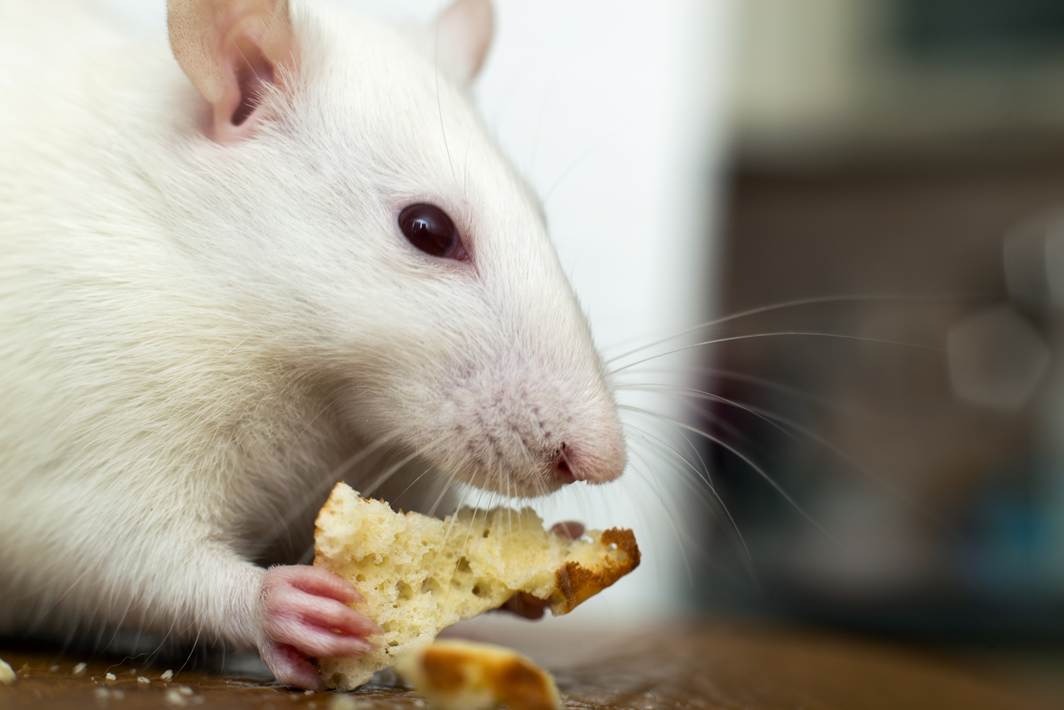
A rat problem in a food business never stays small or hidden. The sooner it's dealt with, the less it costs you: in repairs, in fines, and in the reputation you've spent years building.
But getting a commercial kitchen rodent-free, and keeping it that way, takes more than laying a few traps. It needs a proper survey to find the nest, the food sources, and every entry point, then a treatment plan matched to your building and its vulnerabilities.
Because rats are wary and breed fast, treatment and monitoring should go hand-in-hand. Regular professional monitoring catches activity early, before it becomes a full rodent infestation, and gives you the documented records an environmental health officer will want to see. That paper trail is part of staying compliant and proving your kitchen runs to standard.
As a member of the British Pest Control Association (BPCA), we've kept kitchens across Bristol and Bath rodent-free for over 30 years. We survey, treat, proof, and monitor to recognised standards, and we work discreetly, in unmarked vehicles, so your customers are none the wiser. Our rat control comes with a guarantee: if they come back within the guarantee period, so do we, at no extra charge.
If you've spotted the signs, or you'd simply rather not leave it to chance, get in touch or give our team a bell on 0117 444 9821. We'll survey the premises, give you a fixed price, and get you booked in, either for a targeted treatment, or a regular monitoring and prevention programme.
For more pest advice, take a look at our other blogs.
Reach out for expert pest advice or to schedule a service.
Find clear answers to common pest control queries. Learn about our services, safety standards, and what to expect from Action Force Pest Prevention.
We handle a wide range of pests including rodents, insects, wasps, and more. Our BPCA-certified team uses safe, effective methods tailored to your needs.
Yes. All products and procedures are approved for use in homes and businesses, prioritising safety for people and pets at every step.
We offer flexible appointments Monday to Friday, 8am to 6pm, and Saturday, 8am to 12pm. Most enquiries receive a same-day or next-day response from our local team.
Yes. We stand by our work with clear guarantees and offer follow-up visits if needed to ensure your pest problem is fully resolved.