
Rats have been in the news a lot lately. The hantavirus outbreak linked to the cruise ship MV Hondius has understandably caught people’s attention. Thankfully, the Andes virus (the strain responsible) isn’t found in rodents here in the UK, and the UK Health Security Agency has reassured the public that the risk here is very low.
But UK rats do carry their own health risks. Weil’s disease and Seoul hantavirus are both spread through contact with rat urine and droppings, and they can cause serious illness too. So, if the recent news has spurred you to be a bit more vigilant when it comes to rodent control, we encourage that, because rats are more than just a nuisance. Let’s talk about how they get into your home or business, and how to stop them if they do.
Rats don’t just stumble into buildings. They send out foragers from a nearby nest in multiple directions, testing routes and following smells, until one of them finds food, water, and somewhere safe to shelter. Once they do, they mark the route with a scent, which signals the rest of their pack to come over.
“Food” for rats goes beyond what you might think of. Any of these can bring rats to your door:
Water comes from leaking pipes, drains, or condensation. Shelter is just anywhere warm and undisturbed, like decking, cavity walls, loft spaces, or cluttered outbuildings.
Commercial properties also need to worry about bin stores, loading bays, drainage channels, and delivery areas. This is especially true for food businesses (and especially worrisome when considering food safety and hygiene regulations), but any premises is vulnerable.
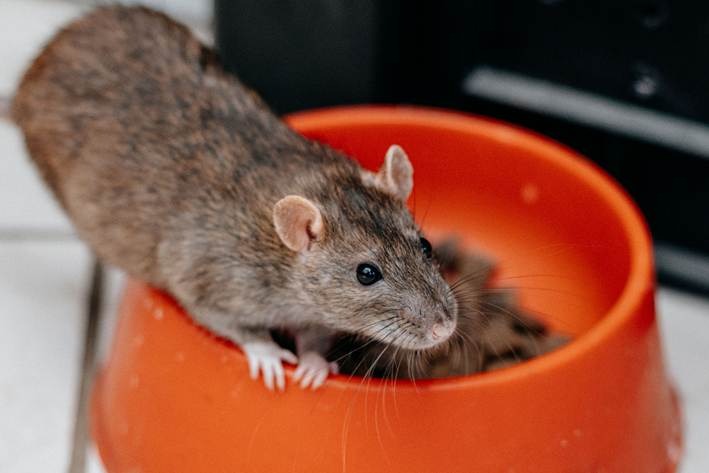
Brown rats (the most common species in UK homes and businesses), are capable burrowers, swimmers, and climbers. The less common black rat is a better climber still, and more likely to enter from above via drainpipes, cables, or branches.
And you’d be shocked at how small a gap they can squeeze through; a younger one can get through a hole the size of a 50p coin! Common entry points include:
These are all in tucked-away spots that humans rarely look at, but for a rat, it’s an easy entrance. If you want to stop them from coming in, start by checking these.
If rats keep returning to a property that’s already been treated, the drains are normally the culprit.
Brown rats are strong swimmers and have adapted to travel through our drainage networks, entering and exiting via cracked pipes and displaced joints.
Rat blockers let water flow as usual but prevent rodents from getting through. If there isn’t one fitted, they can follow a pipe upwards and emerge through a floor drain or damaged connection. The BPCA has guidance on rats in drainage systems, and a CCTV drain survey can find damage that isn’t visible from the surface.
Rats are cautious critters. New objects in a familiar environment make them nervous, which is why they get the better of poorly placed traps or bait stations, and why moving the trap is of no help. Results take the right placement and some patience, even if done by professionals.
Add to that the speed which rats breed at. A couple can produce several litters a year, so if you put off a small problem for a few months, it’ll suddenly become out of control. Rats nest out of sight, in hidden spots, so what’s visible to you rarely captures the scale of the infestation, and that’s the biggest limitation of DIY treatment: you’ll never get them all, and even if you do, another colony will just take their place if you don’t seal every entryway. That, and the risk of disease, is why a professional should always be called in.
Treatment and proofing have to happen together. When assessing a property, as well as the entry points mentioned before, our pest controllers will check the following for nests:
The nest is treated directly using professional-grade rodenticide or trapping, placed correctly and monitored over follow-up visits. This isn’t a one-and-done job, and we’ll need to come and monitor the property to make sure populations are declining.
A rat problem that keeps coming back always has an underlying cause, whether that’s a drainage issue, a structural gap that wasn’t spotted, or conditions on the property that make it an easy target. Sorting the immediate infestation without addressing that just delays the inevitable. That’s why we always identify and seal every entryway.
We’ve been handling rats, rodents, and other pests across Bristol, Bath, and the surrounding area for over 30 years. We’ll always give you a fixed price before we start and communicate with you at every step, so book a visit online today, or give our friendly team a bell at 0117 444 9821 to talk through what you’ve seen.
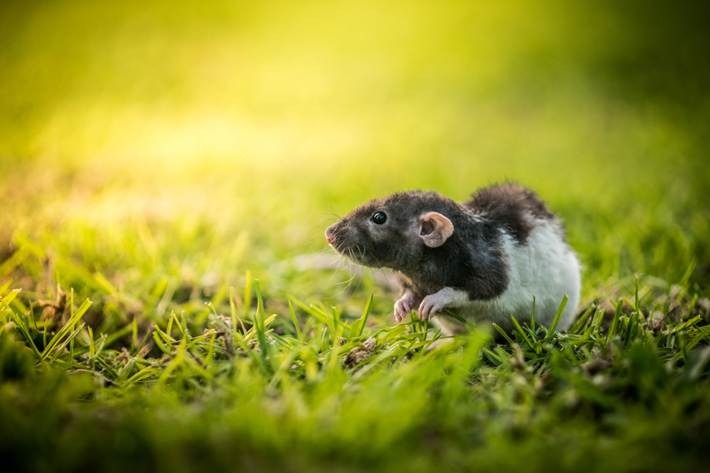
Rats are nocturnal and avoid people where they can, so an infestation is often much worse than what you can see. If you’re worried about rats, keep an eye out for:
If you have a dog or cat, they can also be a fantastic lookout, and will often see the signs before you do. If they show interest in a certain wall or cupboard, or wake you up in the night to scratching noises, don’t ignore them.
Rat prevention comes down to removing what attracts them, and blocking the routes they use. Both have to go together.
On the structural side, check around the outside at ground level first:
And keep an eye on decking or outbuildings. Are they giving rats somewhere to settle close by?
If you’re in (or own) a food business, a rat sighting in a preparation or storage area is a serious compliance issue, not just a pest problem. It needs to be documented and dealt with professionally at once. If an inspection comes your way, they’ll be hoping for regular proofing checks scheduled, and a pest management policy in place.
Rats end up in properties because something brought them there: a food source, a warm space, a gap that was always there but never noticed. Tackle the conditions, not just the animal, and they’re far less likely to come back.
If you've already spotted the signs get in touch with our certified team to get it dealt with, once and for all. And for more pest prevention advice, have a look at our other blogs, and be sure to follow our Facebook page.
Reach out for expert pest advice or to schedule a service.
Find clear answers to common pest control queries. Learn about our services, safety standards, and what to expect from Action Force Pest Prevention.
We handle a wide range of pests including rodents, insects, wasps, and more. Our BPCA-certified team uses safe, effective methods tailored to your needs.
Yes. All products and procedures are approved for use in homes and businesses, prioritising safety for people and pets at every step.
We offer flexible appointments Monday to Saturday, 8am–8pm. Most enquiries receive a same-day or next-day response from our local team.
Yes. We stand by our work with clear guarantees and offer follow-up visits if needed to ensure your pest problem is fully resolved.