

Rat Control in Bristol and Surrounding Areas
30+ yrs

How We Tackle a Rat Infestation
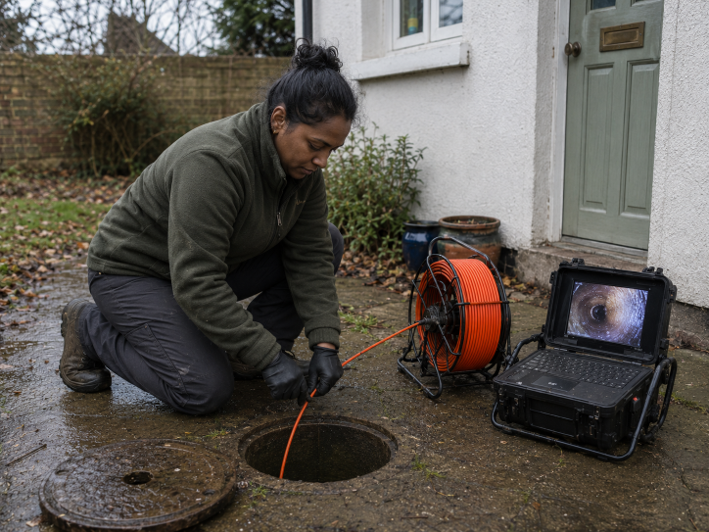
We inspect the property thoroughly, checking wall cavities, under concrete, behind appliances, in loft insulation, and in drains as needed. The colony is ethically treated with professional-grade rodenticide and strategically-placed traps. We never use glue traps, which are an inhumane method of disposal and illegal in the UK.
We continue to monitor the situation over follow-up visits to ensure the population declines, after which we seal every entry point we've found, including fitting rat blockers to drainage if needed.
If you run a food business, a rat sighting in a prep or storage area is a serious compliance and health and safety risk. We are BPCA-certified and provide full documentation of our treatment process for your records. To protect your reputation, we arrive in unmarked vehicles and work with complete discretion.
Our Guarantee
Unlike other pest control companies, we don’t charge per visit. Instead, we provide a fixed and fair quote for the problem, regardless of how long it takes, keeping us accountable to fixing the problem for good.
Who We Help
- Domestic properties and homes
- Restaurants, cafes, and food businesses
- Landlords and rental properties
- Commercial and industrial premises
Get a Quote Today
Reach out for expert pest advice or to schedule a service.
- info@actionforcepestcontrol.co.uk
- +44 117 444 9821
- DeskLodge Beacon Tower
Colston St, Bristol BS1 4XE

Why Choose Action Force?
A pest problem is stressful enough without poor communication or unclear pricing. You need to know the job will be done properly. With decades of experience, BPCA-certified technicians and a fixed-price guarantee, you know where you stand from the start.

Pest prevention for every home
We provide safe, swift, and effective treatments tailored to your property and its’ vulnerabilities, be it a new build flat or a centuries-old house.
10,000+ satisfied clients
We’ve helped over 10,000 homes and businesses since 1995, with straightforward advice, reliable treatment, and long-term prevention tailored to your property.
Fixed-price guarantee
No hidden extras and no guesswork. With us, you always know what you’repaying for.
BPCA certified technicians
Our team is fully trained, insured, and BPCA accredited for your peace of mind.
Why Rats are Dangerous
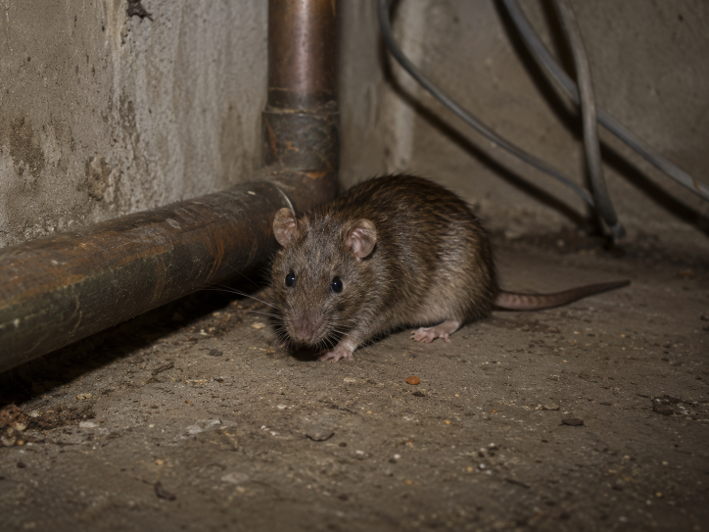
Rats carry Weil's disease and Seoul hantavirus, both of which are spread through contact with their urine and droppings, and can cause serious illness. That risk, combined with how fast they breed, is why a rat problem can so quickly spiral out of control.
Signs You are Dealing with Rats (and not Mice)
- Droppings that are dark, spindle-shaped, and noticeably bigger than rice-sized mouse droppings
- Gnaw marks on cables, wood, or plastic piping
- Scratching or scurrying at night, often heavier than mice and located lower down in the home.
- A strong ammonia smell in enclosed or rarely used spaces
- A sighting during the day, which usually means the population is already significant
How Rats Get In
Brown rats, the most common species in UK homes and businesses, are strong burrowers, climbers and swimmers. A young one can squeeze through a gap the size of a 50p coin. They're also capable of travelling through drainage systems and entering a property via cracked pipes, displaced joints, or even a damaged toilet connection.
If you’ve dealt with rats before and they’ve returned, they are almost certainly entering via your drains. A CCTV survey can confirm this.
Why DIY Treatment Rarely Helps
Rats are wary of anything unfamiliar in their environment, so they will avoid poorly placed traps and bait. They also nest out of sight, so what you can find rarely reflects the size of the population behind the wall.
Even if you successfully curb the infestation, it will just be replaced by another if nothing is done about their entryways.
Your pest control questions answered
Find quick answers to common pest control queries. For anything else, our team is here to help.
Still need help? Contact our support team.
Get a Quote Today
Reach out for expert pest advice or to schedule a service.
- info@actionforcepestcontrol.co.uk
- +44 117 444 9821
- DeskLodge Beacon Tower
Colston St, Bristol BS1 4XE