

Cockroach Control in Bristol and Surrounding Areas
30+ yrs

How We Handle Cockroaches
We inspect the property thoroughly to identify the species and map out every harbourage point, even in the hidden spaces such as behind large appliances. Professional-grade gel bait is applied directly at those points and carried back by foragers to reach the colony and their eggs. In larger infestations, an insect growth regulator is used to stop the next generation breeding.
We schedule in follow-up visits to confirm the population is in decline, not just in hiding.
If you run a food business, a cockroach sighting is a compliance and food safety issue. We are BPCA-certified and provide full documentation of our treatment process for your records. We also always arrive in unmarked vehicles to protect your reputation.

Our Guarantee
Unlike other pest control companies, we don’t charge per visit. Instead, we provide a fixed and fair quote for the problem, regardless of how long it takes, keeping us accountable to fixing the problem for good.
Who We Help
- Domestic properties and homes
- Restaurants, cafes, and commercial kitchens
- Hospitality venues
- Offices and commercial premises
- Healthcare and care environments
Get a Quote Today
Reach out for expert pest advice or to schedule a service.
- info@actionforcepestcontrol.co.uk
- +44 117 444 9821
- DeskLodge Beacon Tower
Colston St, Bristol BS1 4XE

Why Choose Action Force?
A pest problem is stressful enough without poor communication or unclear pricing. You need to know the job will be done properly. With decades of experience, BPCA-certified technicians and a fixed-price guarantee, you know where you stand from the start.

Pest prevention for every home
We provide safe, swift, and effective treatments tailored to your property and its’ vulnerabilities, be it a new build flat or a centuries-old house.
10,000+ satisfied clients
We’ve helped over 10,000 homes and businesses since 1995, with straightforward advice, reliable treatment, and long-term prevention tailored to your property.
Fixed-price guarantee
No hidden extras and no guesswork. With us, you always know what you’repaying for.
BPCA certified technicians
Our team is fully trained, insured, and BPCA accredited for your peace of mind.
Signs of a Cockroach Infestation
- Dark droppings resembling coffee grounds or ground pepper, often along skirting or behind appliances
- A persistent musty or oily smell, especially in the kitchen or utility area
- Shed skins or small dark egg cases tucked into corners and crevices
- Cockroaches seen during the day, indicating a large hidden population
Cockroaches breed extremely quickly. If you have any suspicions, don’t delay in seeking a professional set of eyes.
Types of Cockroach
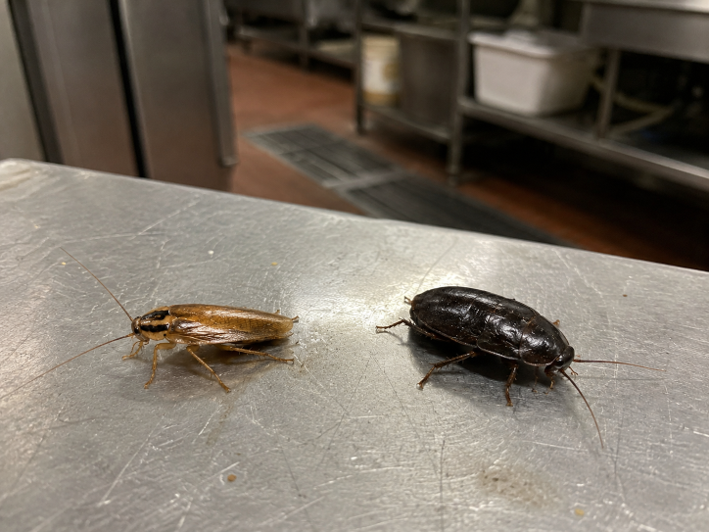
German cockroaches are small, fast-breeding, and drawn to warmth, so they cluster around ovens, fridges and dishwashers.
Oriental cockroaches are larger and slower, and prefer cool, damp spots like drains, basements and under flooring.
The species, and their habits, change how we approach treatment.
Why DIY Treatment Rarely Helps
Shop sprays kill what's moving, but they miss their hideaways. Egg cases are glued deep into cracks and voids, well away from any surface spray, so a new generation hatches within weeks regardless. Many UK cockroach populations have also built up resistance to the pyrethroids found in consumer products, so even direct isn’t enough to kill them.
Your pest control questions answered
Find quick answers to common pest control queries. For anything else, our team is here to help.
Still need help? Contact our support team.
Get a Quote Today
Reach out for expert pest advice or to schedule a service.
- info@actionforcepestcontrol.co.uk
- +44 117 444 9821
- DeskLodge Beacon Tower
Colston St, Bristol BS1 4XE