

Ant Control in Bristol and Surrounding Areas
30+ yrs

How We Take Back Control
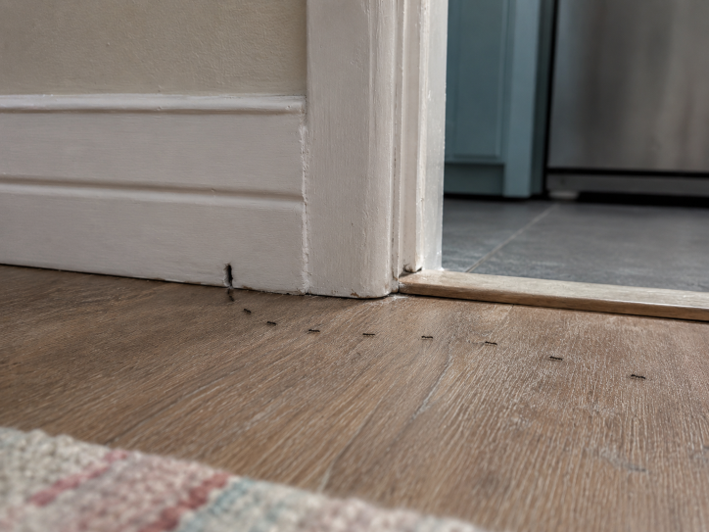
We start will a thorough inspection of your property. We identify the trail and species, and follow the trail to their nest. The workers are treated with professional-grade bait, which they then bring back to their nest, killing the infestation at the root.
With the forager trail gone, we then seal the entryway they were using, and any others we can see, to make sure that they, or another colony, don’t return.
If you run a food business, an ant sighting in a prep or storage area is a compliance issue as much as a pest one. We are BPCA-certified and provide full documentation of our treatment process for your records. We also always arrive in unmarked vehicles to protect your reputation.
Our Guarantee
Unlike other pest control companies, we don’t charge per visit. Instead, we provide a fixed and fair quote for the problem, regardless of how long it takes, keeping us accountable to fixing the problem for good.
Who We Help
- Domestic properties and homes
- Restaurants, cafes, and food businesses
- Offices and commercial premises
- Healthcare environments
Get a Quote Today
Reach out for expert pest advice or to schedule a service.
- info@actionforcepestcontrol.co.uk
- +44 117 444 9821
- DeskLodge Beacon Tower
Colston St, Bristol BS1 4XE

Why Choose Action Force?
A pest problem is stressful enough without poor communication or unclear pricing. You need to know the job will be done properly. With decades of experience, BPCA-certified technicians and a fixed-price guarantee, you know where you stand from the start.

Pest prevention for every home
We provide safe, swift, and effective treatments tailored to your property and its’ vulnerabilities, be it a new build flat or a centuries-old house.
10,000+ satisfied clients
We’ve helped over 10,000 homes and businesses since 1995, with straightforward advice, reliable treatment, and long-term prevention tailored to your property.
Fixed-price guarantee
No hidden extras and no guesswork. With us, you always know what you’repaying for.
BPCA certified technicians
Our team is fully trained, insured, and BPCA accredited for your peace of mind.
Signs of Established Ant Infestations
- A steady trail along the same route repeatedly
- Ants near sinks, bins or pet food bowls, especially overnight
- Activity in more than one room, usually meaning more than one route in
Types of Ant
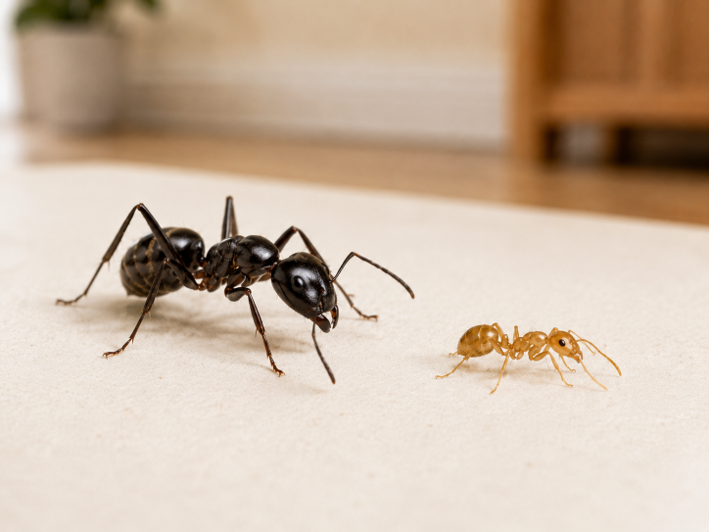
Black garden ants are the most common encounter in the UK. They nest outside and forage in, establishing routes to food. Sealing their entry and breaking that trail goes a long way in stopping them.
Pharaoh ants are smaller and paler than typical ants and are more likely to be found in heated flats and kitchens.
Why DIY Treatment Rarely Helps
Sprays only kill the ants you can see. They don’t kill the nest, or the scent trail they follow to their food source. At best, the colony will just come back again. At worst, especially with Pharoah ants, the colony scatters and re-establishes in several smaller groups, compounding the problem.
Your pest control questions answered
Find quick answers to common pest control queries. For anything else, our team is here to help.
Still need help? Contact our support team.
Get a Quote Today
Reach out for expert pest advice or to schedule a service.
- info@actionforcepestcontrol.co.uk
- +44 117 444 9821
- DeskLodge Beacon Tower
Colston St, Bristol BS1 4XE