

Mice Control in Bristol and Surrounding Areas
30+ yrs

How We Clear and Proof Against Mice
We start by thoroughly inspecting the property to find all entry points and nesting sites. We place professional-grade bait and traps where the activity is, which may be in tucked-away or hard-to-reach spaces. Once the mouse population is confirmed to be falling, we seal all access points to stop reinfestation, and schedule a follow-up visit to make sure the issue is resolved.
If you're a landlord or run a food business, a mouse infestation carries legal obligations beyond the obvious hygiene risk, which is why we fully document every visit, so you've got records if you need them. We also work with discretion and arrive in unmarked vehicles, ensuring your reputation is protected.
Our Guarantee
Unlike other pest control companies, we don’t charge per visit. Instead, we provide a fixed and fair quote for the problem, regardless of how long it takes, keeping us accountable to fixing the problem for good.
Who We Help
- Domestic properties and homes
- Restaurants, cafes, and food businesses
- Landlords and rental properties
- Offices and commercial premises
- Hospitality sites
Get a Quote Today
Reach out for expert pest advice or to schedule a service.
- info@actionforcepestcontrol.co.uk
- +44 117 444 9821
- DeskLodge Beacon Tower
Colston St, Bristol BS1 4XE

Why Choose Action Force?
A pest problem is stressful enough without poor communication or unclear pricing. You need to know the job will be done properly. With decades of experience, BPCA-certified technicians and a fixed-price guarantee, you know where you stand from the start.

Pest prevention for every home
We provide safe, swift, and effective treatments tailored to your property and its’ vulnerabilities, be it a new build flat or a centuries-old house.
10,000+ satisfied clients
We’ve helped over 10,000 homes and businesses since 1995, with straightforward advice, reliable treatment, and long-term prevention tailored to your property.
Fixed-price guarantee
No hidden extras and no guesswork. With us, you always know what you’repaying for.
BPCA certified technicians
Our team is fully trained, insured, and BPCA accredited for your peace of mind.
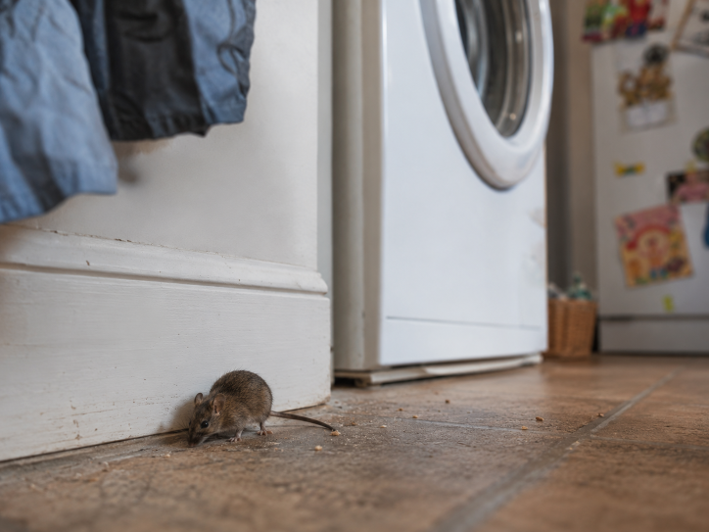
Signs of a Mouse Infestation
- Dark, rice-sized droppings along skirting, in cupboards, or near food storage
- Gnaw marks on packaging, wiring, or wooden surfaces
- Scratching or scurrying in walls, floors, or ceilings (mostly at night)
- A faint ammonia smell in enclosed spaces
How Mice Infiltrate
A mouse can squeeze through a gap as small as a pencil-width, and older properties especially will often have several small access points around pipework, air bricks, and door thresholds that go unnoticed without a proper survey.

Why DIY Treatment Rarely Helps
Mice are cautious around anything new in a familiar space, so they normally avoid attempts at traps. Numbers may drop for a while, but if the entry points stay open, the mice you've caught will simply be replaced by others.
Your pest control questions answered
Find quick answers to common pest control queries. For anything else, our team is here to help.
Still need help? Contact our support team.
Get a Quote Today
Reach out for expert pest advice or to schedule a service.
- info@actionforcepestcontrol.co.uk
- +44 117 444 9821
- DeskLodge Beacon Tower
Colston St, Bristol BS1 4XE