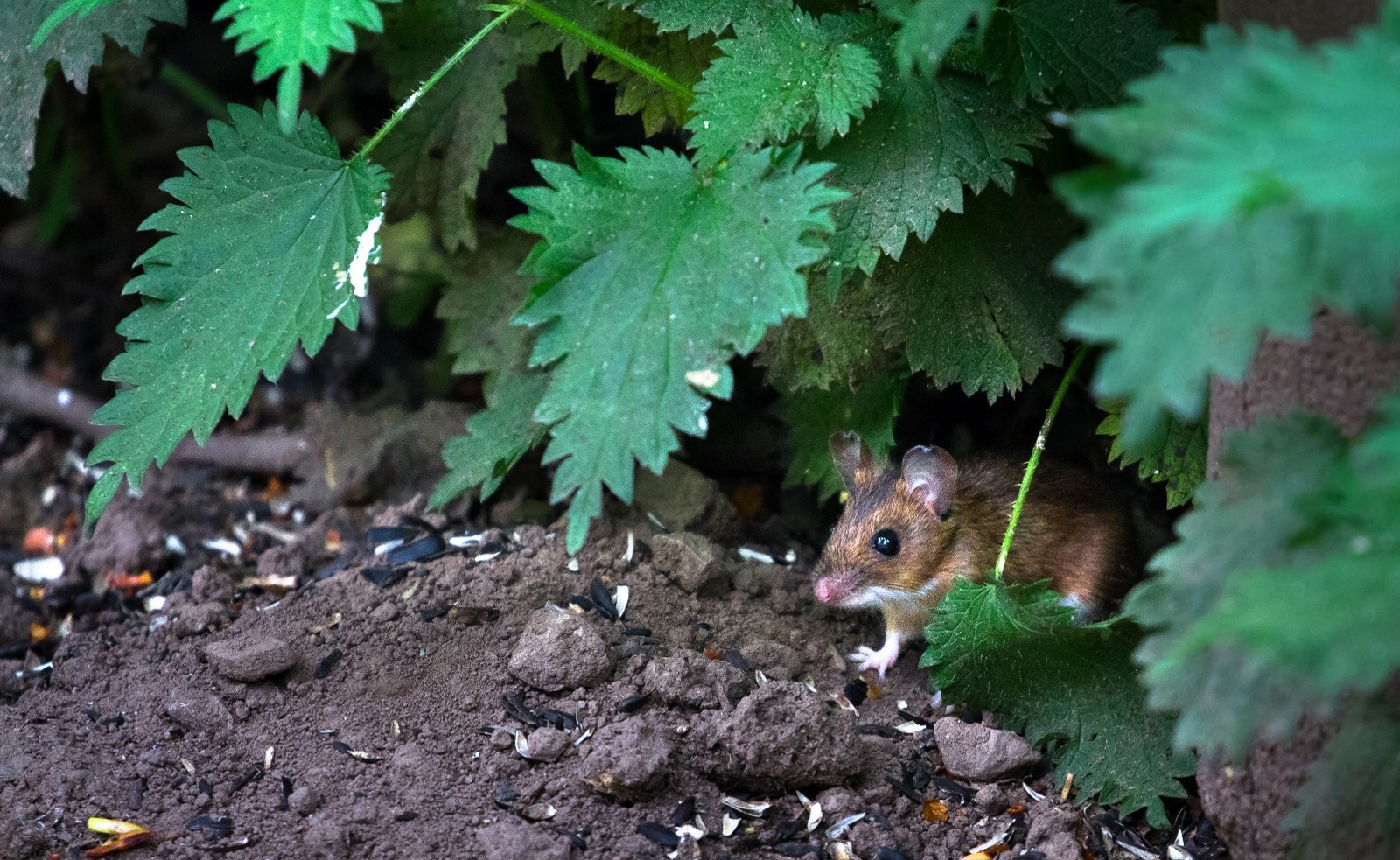
If you've started hearing faint scratching above the ceiling now that the nights have drawn in, there's a good chance a mouse or two has moved into your loft for the winter. It's one of the most common callouts we get from November onwards, for a simple reason: your loft is warm, quiet, full of soft material to nest in, and hardly ever disturbed.
To a mouse looking to see out the cold, that's as good as it gets. And, being such sneaky creatures, they’ll have already settled in by the time you suspect they’re there. Here's how to tell whether you’ve got mice on your hands (or rats), and why acting quickly is so important.
Mice don’t hibernate, but as gardens and hedgerows turn sparse and the temperature drops, quiet, warm spaces within buildings become hotspots for shelter and breeding. A loft ticks every box.
To feed, they drop down into your house through the same cavities they came in from, and sneak through the kitchen in search of food. Once one mouse finds a good spot, it leaves a scent trail that others can follow.
They're not fussy eaters, though they lean towards cereals, grains, and seeds: crumbs behind the toaster, a split bag of birdseed, dry pet food, an open box of cornflakes. They nibble just a bit from different spots across the night, rather than eating it all in one sitting, which helps them stay unnoticed.
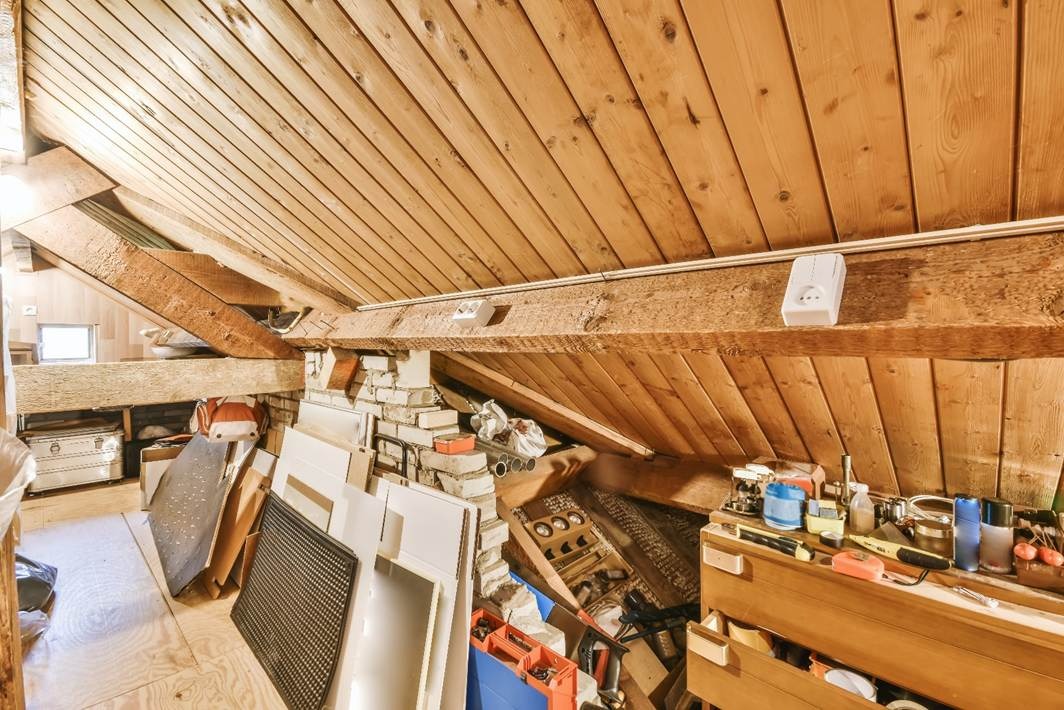
Mice are stealthy and stay hidden, so you’d be lucky to actually see one. Instead, look for:
· Dark, rice-shaped droppings, about 3-6mm. One mouse can leave as many as 80 a day, scattered along joists, in the insulation, and around anything stored up there.
· Scratching and scurrying after dark. These will be light and quick, in short bursts as they move between the nest and food.
· Nesting material: shredded insulation, cardboard, paper, and fabric pulled apart into a hidden pile.
· Gnaw marks on boxes, timber, and cabling, which mice work at constantly to keep their teeth down.
· A stale, musky, ammonia-like smell, strongest where they've been nesting.
Like the BPCA says, if you're getting the Christmas decorations down from the loft anyway, it's a good time to do a sweep of the area for pests.
If you hear scuttling in a loft, you’ll likely assume it’s a rat at first. Whilst rats are the better climbers, mice can squeeze through smaller spaces, so both are likely. If you saw one, you’d know the difference, of course, but given how sneaky they are, this is unlikely. So, the best way to tell the difference is by their droppings (lovely!).
Rat droppings are much bigger than mouse droppings, at about 10-14mm, and will be clustered together, whereas mice droppings will be spread out. Rats are also heavy-footed and noisier. And consider location: rats are more common by far in cities and urban locations, but are rarer in rural areas, where mice are a likelier find.
If it turns out you have a rat problem, we’ve written another article on how rats get in and how to stop them, so give that a read.
Our BPCA-certified team have been treating rodents of all kinds around Bristol, Bath, and the surrounding area for over 30 years, so whether you’ve got rats or mice, give us a call on 0117 444 9821 or use our booking form to get a fixed-price quote.
A house mouse can squeeze through gaps as small as the width of a pencil, roughly 6mm. Older properties usually have many holes like this, and any one is an easy way in. The common routes up are:
· Gaps where pipes or cables pass through walls
· Damaged or missing air bricks
· Worn seals under external doors, then up through the wall cavity
· Cracked or ill-fitting soffits, fascias, and roof edges
· Ivy, a shed roof, or a flat roof pushed against the house, used as a bridge
Finding and closing these gaps in advance will help keep the mice out, and as the property owner or occupier it's your responsibility to deal with them. If you don’t, you’ll only find yourself dealing with another nest down the line.
Mice gnaw constantly, and loft cabling is an easy target, so stripped wiring can become a real fire risk before long. They also foul the insulation with urine and droppings as they nest, which reduces its effectiveness (and leaves a horrible smell).
Beyond the damage, there’s the health risk. Mouse droppings and urine can spread salmonella, which contaminates any surface or food they cross, and house mice are the main carriers of LCMV, a virus passed on through their urine, droppings, and nesting material.
This is why you can’t just leave mice alone until spring. They breed very quickly: a female can have up to ten litters a year with anywhere from 3 to 14 young in each, and those young will be breeding themselves in about six weeks. Two mice in November can feasibly become 70 or more come spring, at which point they’ll start leaving your loft and infiltrating other rooms more and more.
Traps, shop-bought bait, and a pet cat can knock the numbers back for a while, but mice are wary of anything new in a familiar space and will skirt round a trap for days. Even when you catch the ones you can hear, if the nest stays hidden and the entry points stay open, others will move in to replace them. That's why DIY pest control always falls short with mice.
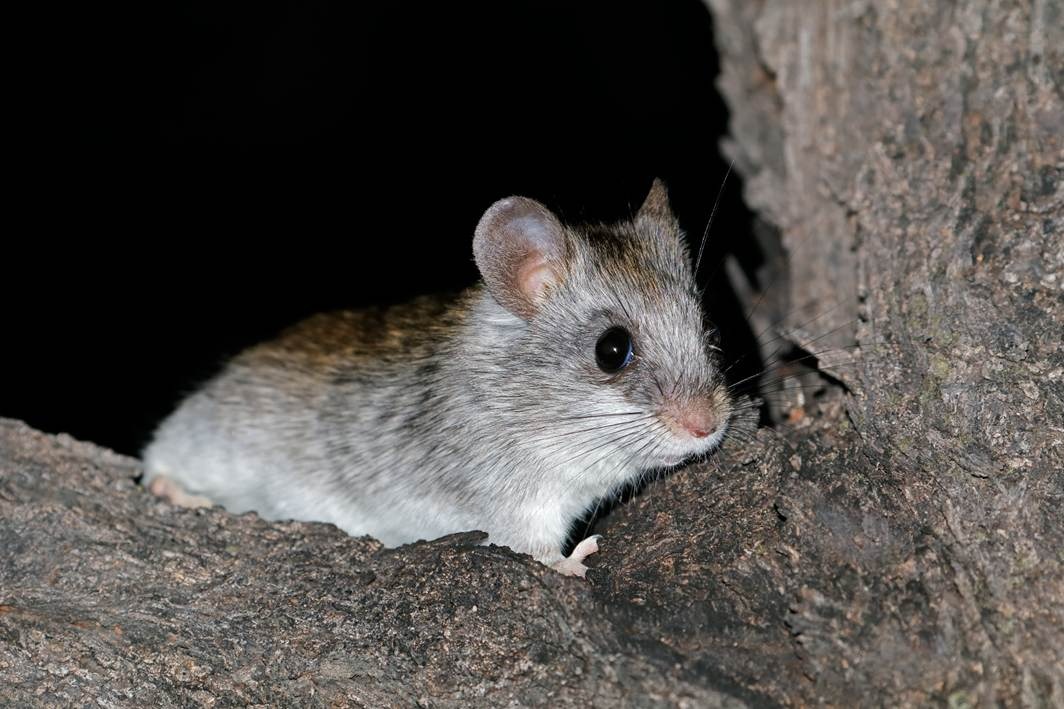
Mice in the loft aren’t a problem you can ignore. The sooner a professional comes in to tackle the nest and close up the entryways, the cheaper and easier a job it’ll be.
If you've spotted the signs, get in touch or give our team a bell on 0117 444 9821 and we'll get you booked in ASAP. For more seasonal pest advice, have a browse of our other blogs or follow us on Facebook. Get educated, and keep your home protected year-round.
Reach out for expert pest advice or to schedule a service.
Find clear answers to common pest control queries. Learn about our services, safety standards, and what to expect from Action Force Pest Prevention.
We handle a wide range of pests including rodents, insects, wasps, and more. Our BPCA-certified team uses safe, effective methods tailored to your needs.
Yes. All products and procedures are approved for use in homes and businesses, prioritising safety for people and pets at every step.
We offer flexible appointments Monday to Friday, 8am to 6pm, and Saturday, 8am to 12pm. Most enquiries receive a same-day or next-day response from our local team.
Yes. We stand by our work with clear guarantees and offer follow-up visits if needed to ensure your pest problem is fully resolved.